Tennessee schools rank among the most segregated in the country

NPR Newsletter
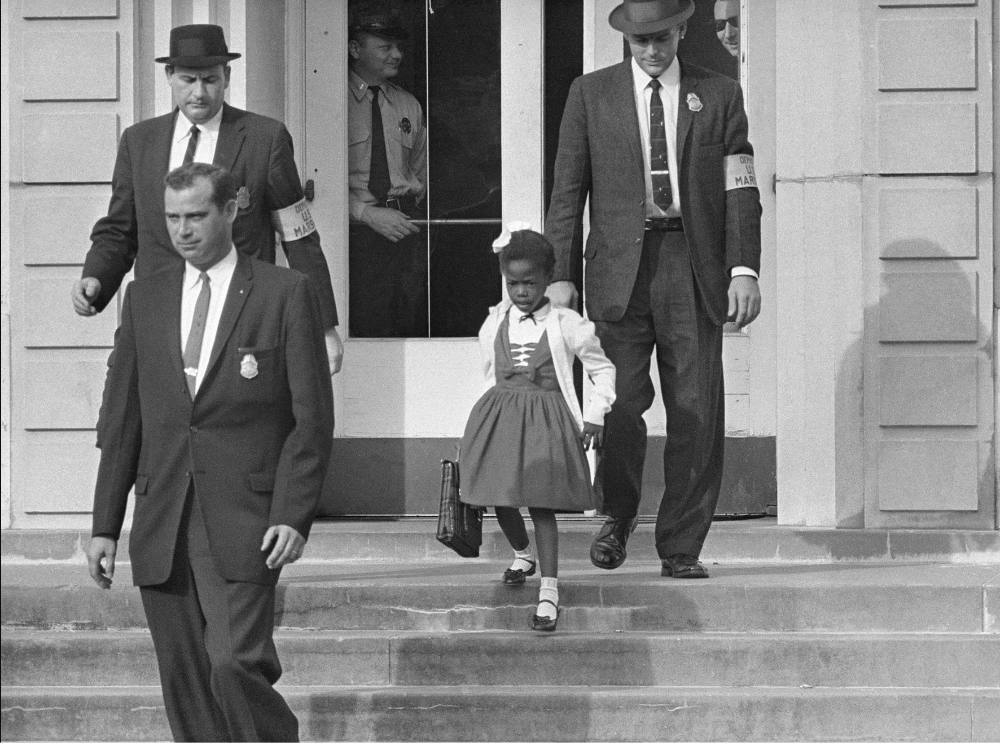
In the studio where we host All Things Considered, NPR is piping in 24/7. During a shift earlier this month, I heard an interview with Ruby Bridges. She wasn't talking about the day she became famous — at 6 years old — for standing tall while white protesters screamed at her for walking into a newly desegregated school.
She was participating in a sweet interview about a friend who had died, which NPR then used as an obituary.
The photos of her at age 6 day are so foundational and almost mythical.
It was a also galling reminder that school desegregation wasn't that long ago. And a new report says that here in Tennessee, the fight is far from over.
Researchers from Stanford and UCLA found that Tennessee public schools rank 6th in the nation for racial segregation. New York State is number one. The report uses data from the 2023-24 school year.
That's according to a new report from Brown's Promise, a nonprofit named for the U.S. Supreme Court case that ordered racial desegregation in schools, Brown vs. Board of Education.
It said that on the whole, the United States' schools are as racially segregated as they were in the 1970s.
WPLN explored this issue in the second season of our Peabody Award-winning podcast, The Promise. Reporter Meribah Knight compared two schools that sit about a mile apart in East Nashville. One, almost all Black, and the other, almost all white. It looks at the structural issues that caused the divide, and how those issues affected the families whose kids went to the schools.
In season 2, part 2, "The Nashville Way" Meribah notes in the episode summary: "In 1954, the famous Brown v. Board decision ruled that segregated schools violated the constitution,. But in reality, that decision changed very little in Nashville. Segregation was an architecture, and to pull it apart was a grueling endeavor. White families derailed the process. City officials worked mightily to resist it. And black families sacrificed for it."
Education reporter Camellia Burris notes that education advocates say one fix is money. More funding for schools could result in less resistance to integration. Other suggestions include rethinking school district lines, fostering positive student experiences in integration efforts and focusing on educator diversity.